Not the first time. That is more or less the point.
Fourth long journey. At some point I stopped explaining it to myself. Life has too much to offer — that is probably the whole reason.
One thing is different this time. I am carrying a real camera. Semi-professional, nothing spectacular, but a lot more than a phone.
I am not travelling and taking pictures on the side any more. I stop where I used to keep walking. It changes the whole day.
It starts in Malaysia. It usually does.
Kuala Lumpur
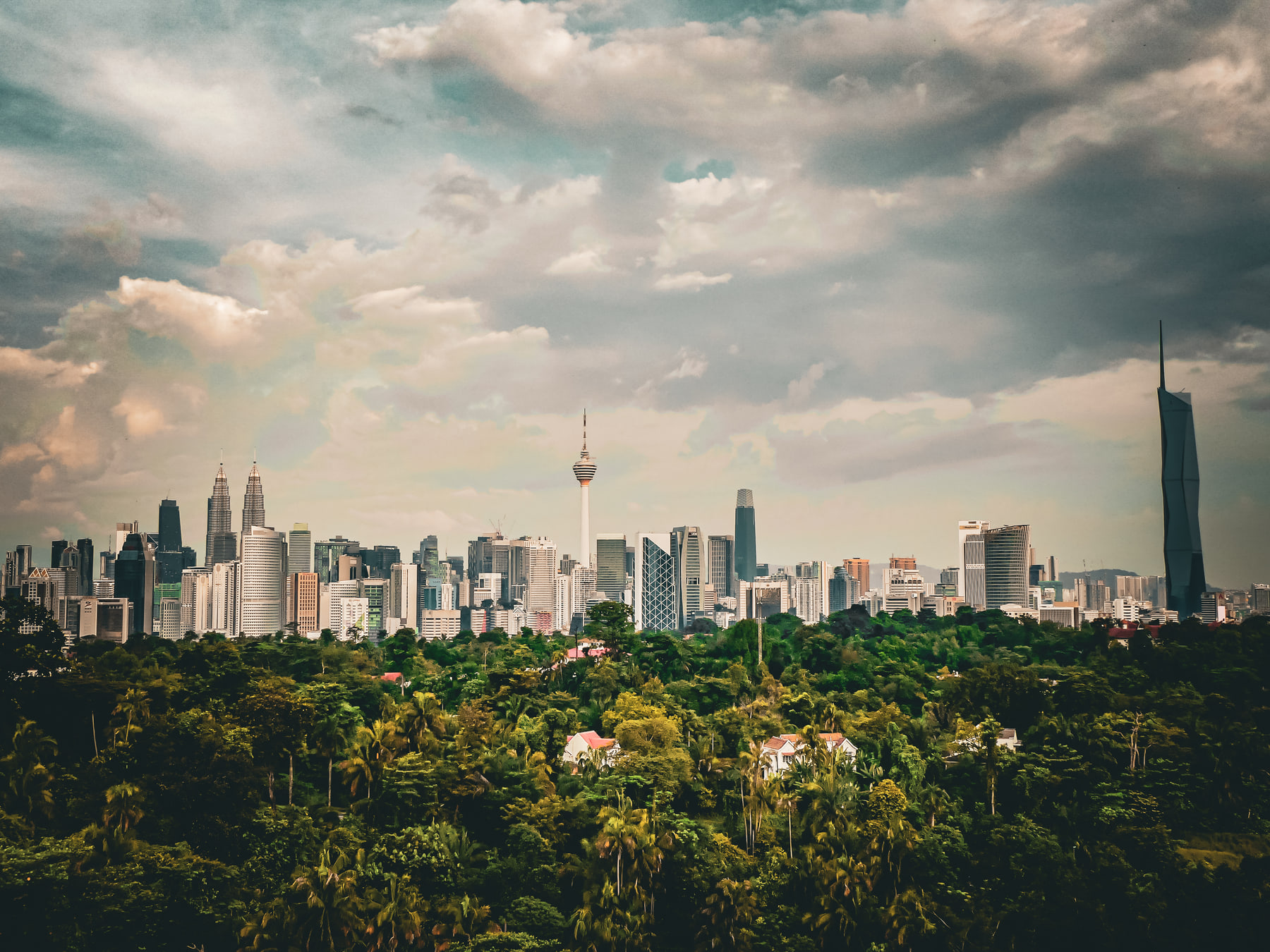
I fly into Kuala Lumpur. From there I move on, then come back, then leave again. Three times on this trip. On a map it is a hub. Over the years it has become something else as well — a place I know my way around.
That goes back to 2014. I have met friends here every time since. A few of those have held across years and across separate journeys. You stop arriving as a complete stranger, and you know some of it will still be there when you come back.
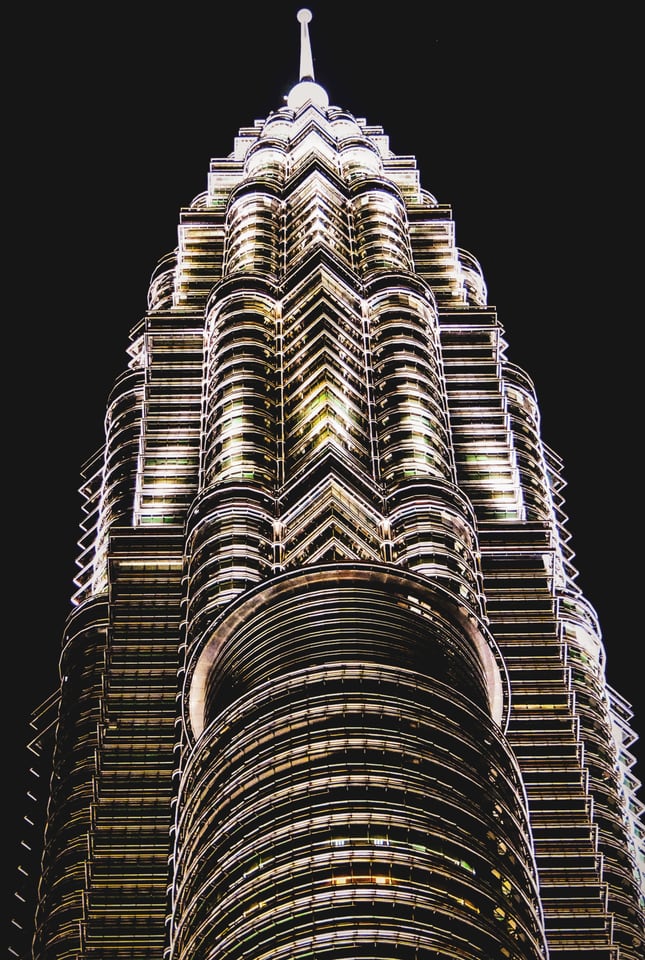
Kuala Lumpur is loud. Huge, very urban, a lot of concrete. Sometimes dusty, sometimes completely wet. And the city smells. Food, rain on hot asphalt, exhaust. Usually all of it at once.
It is dense. Something is always happening somewhere.
I find that impressive. Not pretty. Impressive.
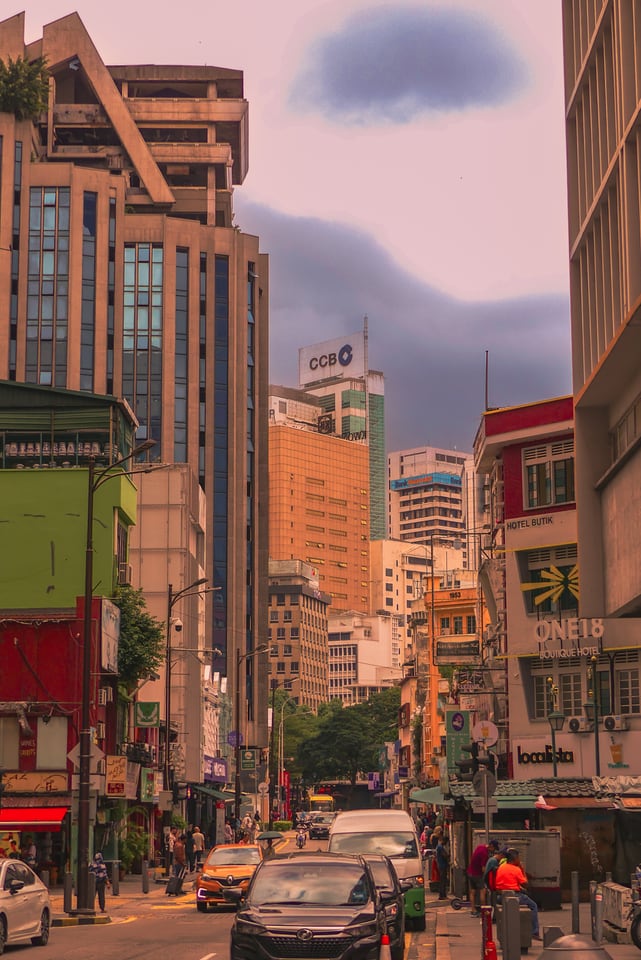
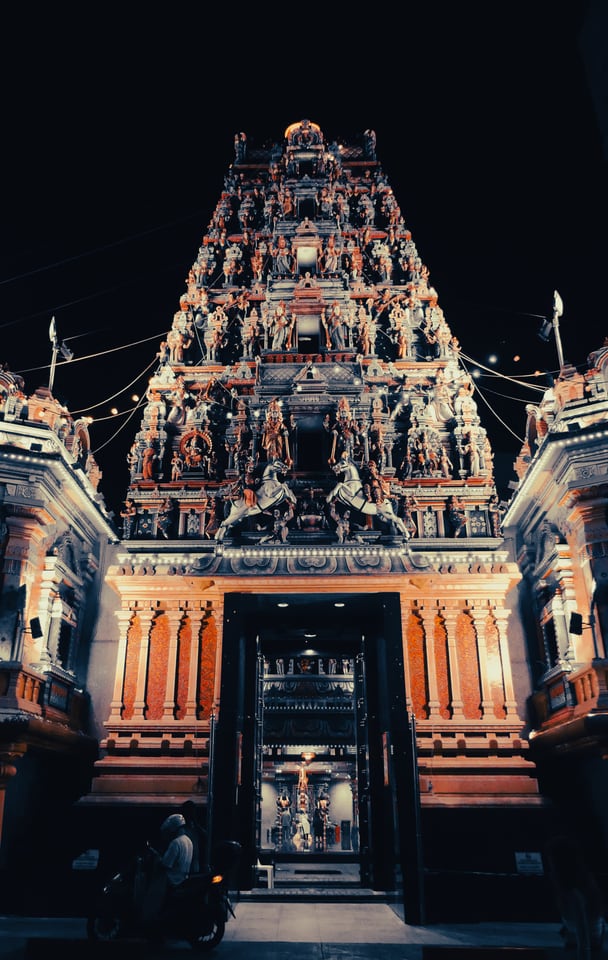
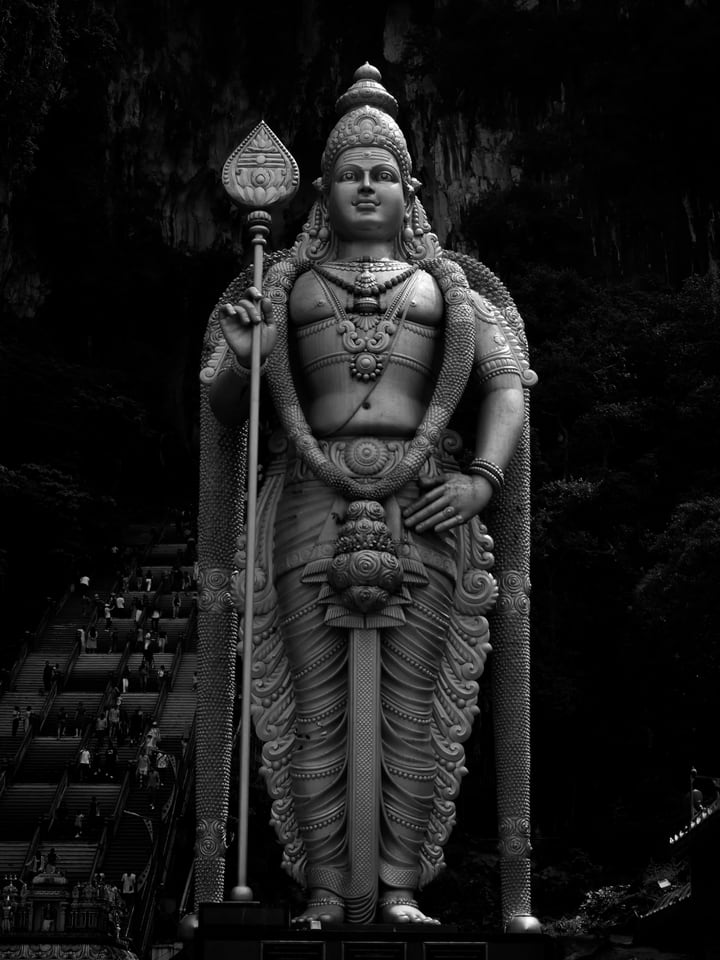
What gets me every time is how visible the different communities are. Malay, Chinese and Indian influences are the ones I notice most, and not as a statistic: in the food, in the streets, in the neighbourhoods, in people. A mosque, a Chinese temple, a Hindu temple, a church, none of it far apart.
Malaysia is more than those three. But those are the ones I see. And it all works side by side, which I have never quite got used to.
The food comes out of that. The mixture produces a range I don’t know from anywhere else. For me the cooking is one of the real strengths of this country.
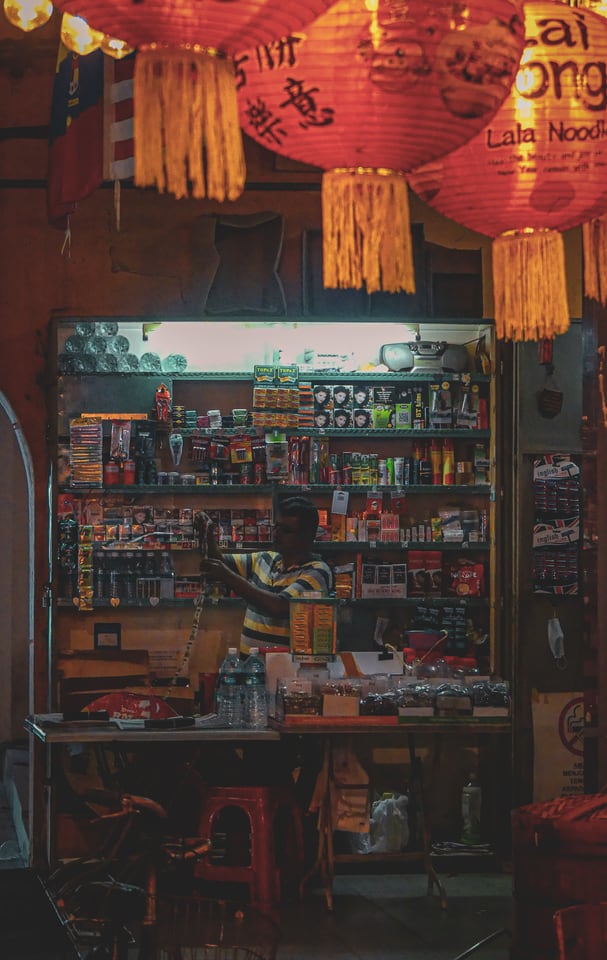
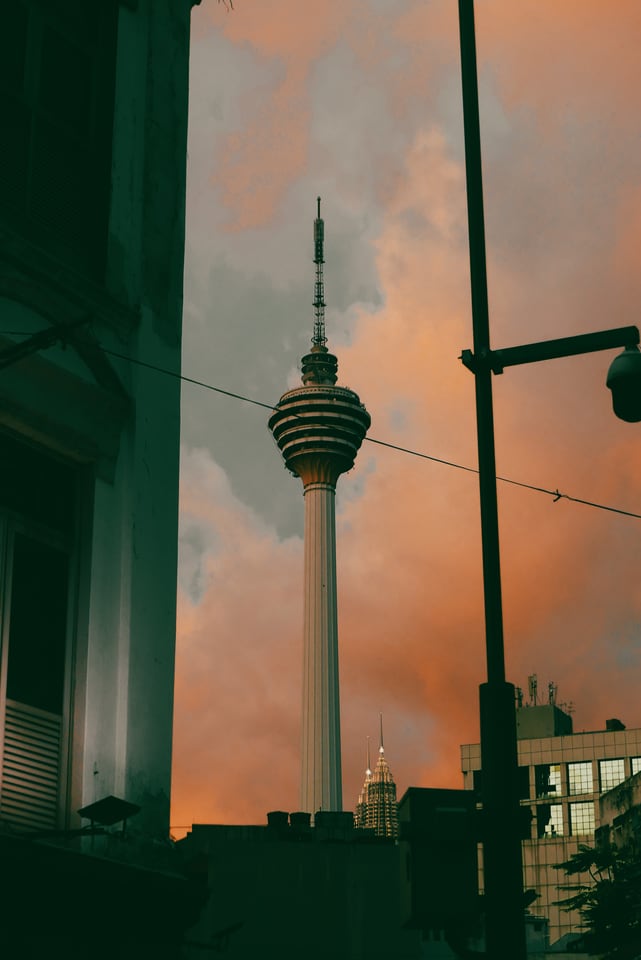
And then Kuala Lumpur is mostly movement. Airport. City. Friends. Food. Heat. Concrete. Rain. On.
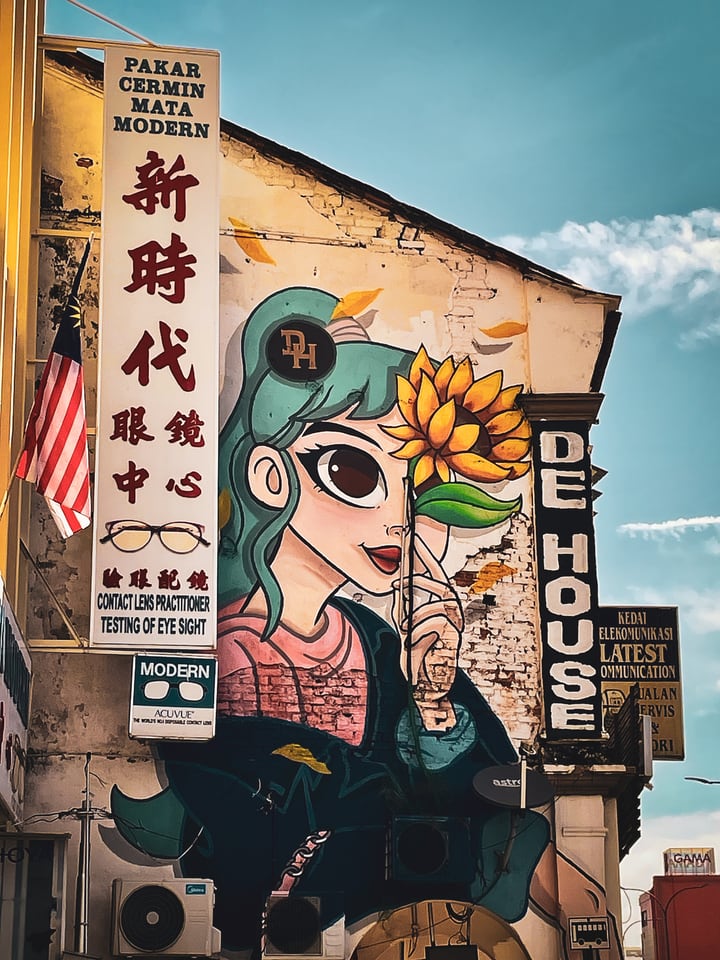
George Town
George Town on Penang belongs to this. If somebody asks me where the best food in Malaysia is, I say George Town. Without thinking about it.
Eating there isn’t something you tick off. It is how you understand the city. The cultures sit close together and you can taste it.
Sounds simple. It is simple.
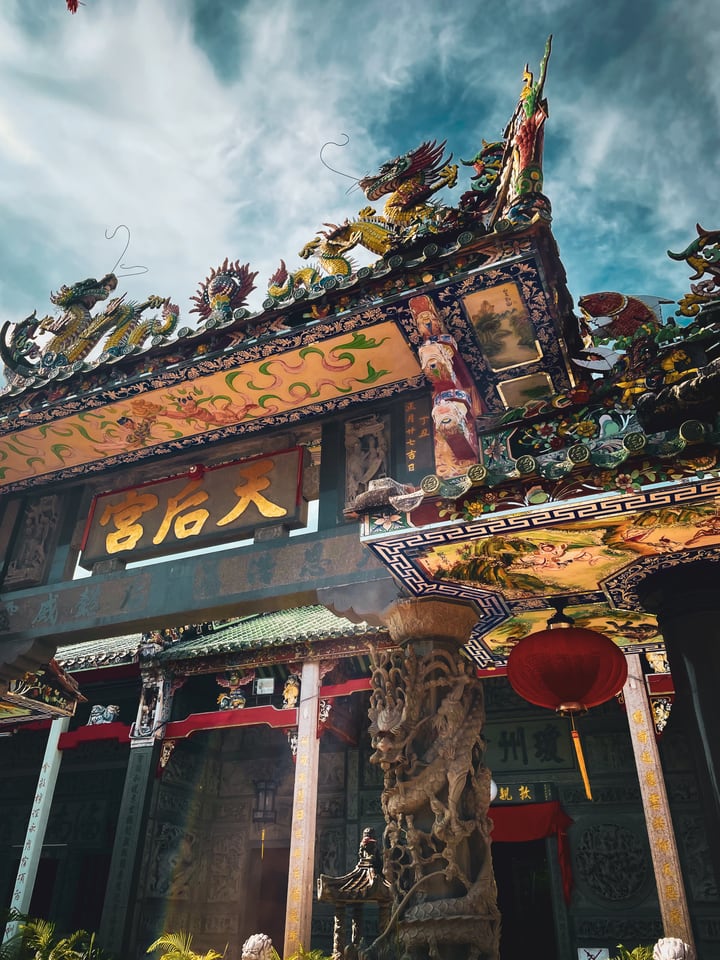
Pulau Kapas
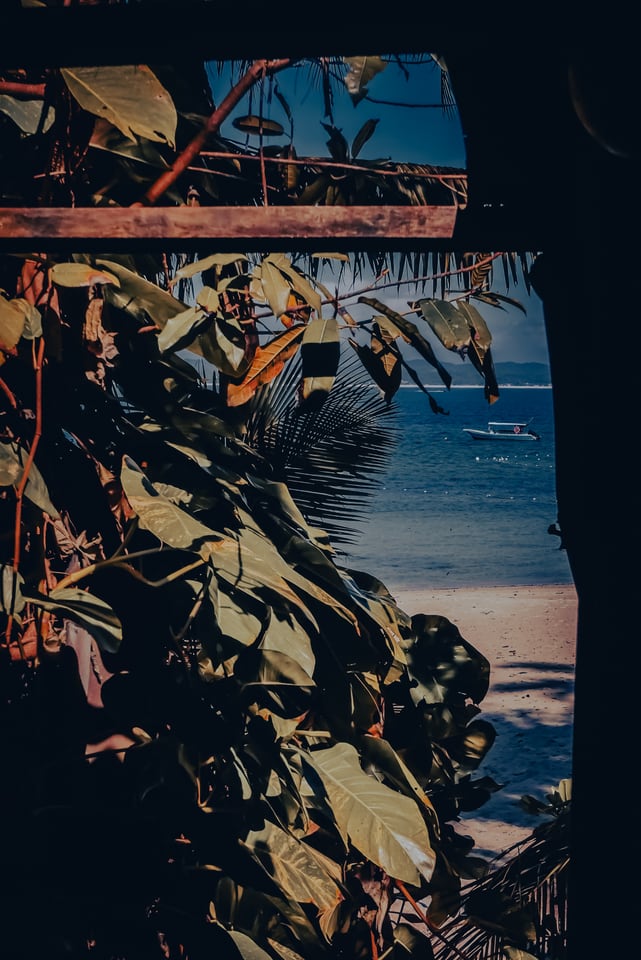
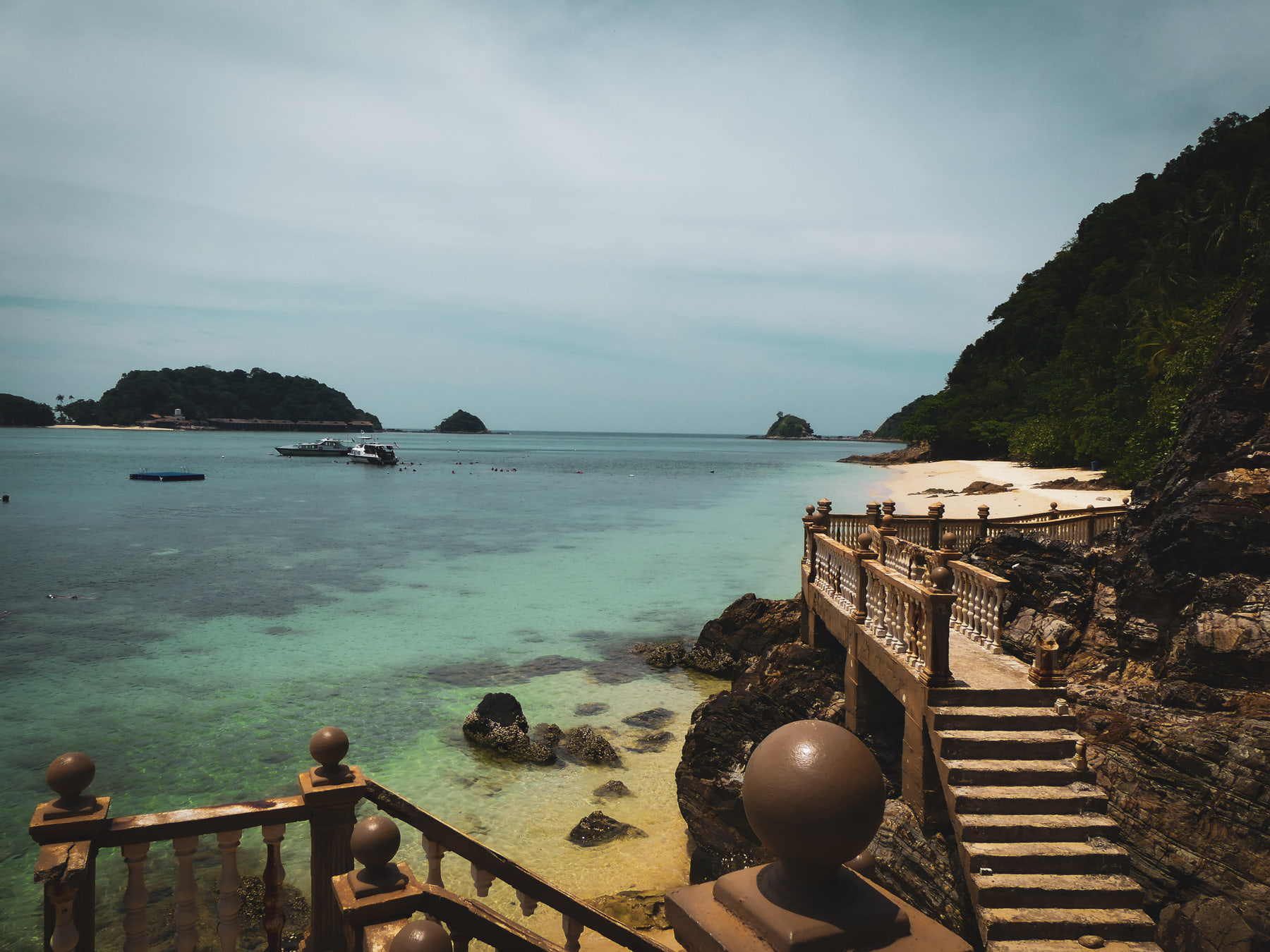
Kapas was an accident.
In 2016 I flew to Malaysia with a friend. The plan was fixed: two weeks on the Perhentians. Kuala Lumpur to Terengganu, and then we had to stay a night there.
You can see Kapas from the coast. It just sits there. I suggested we go over and have a look at what it was.
We went over, found LongSha Campsite, and stayed for the rest of the two weeks. We never made it to the Perhentians.
Call it love at first sight.
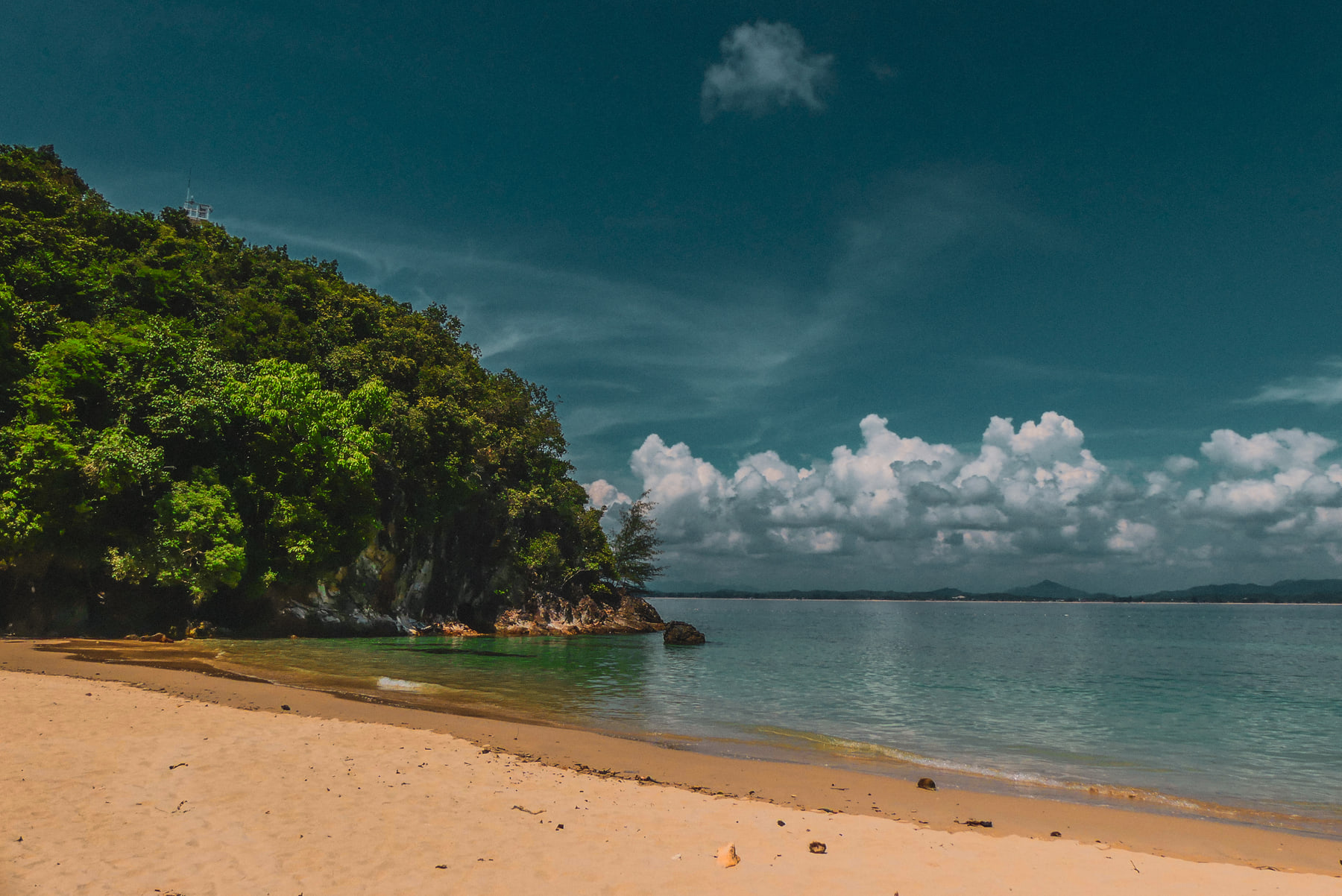
It has been my favourite island since. When I am in Malaysia I try to get back. This time that was most of my weeks in the country. Not a hard decision.
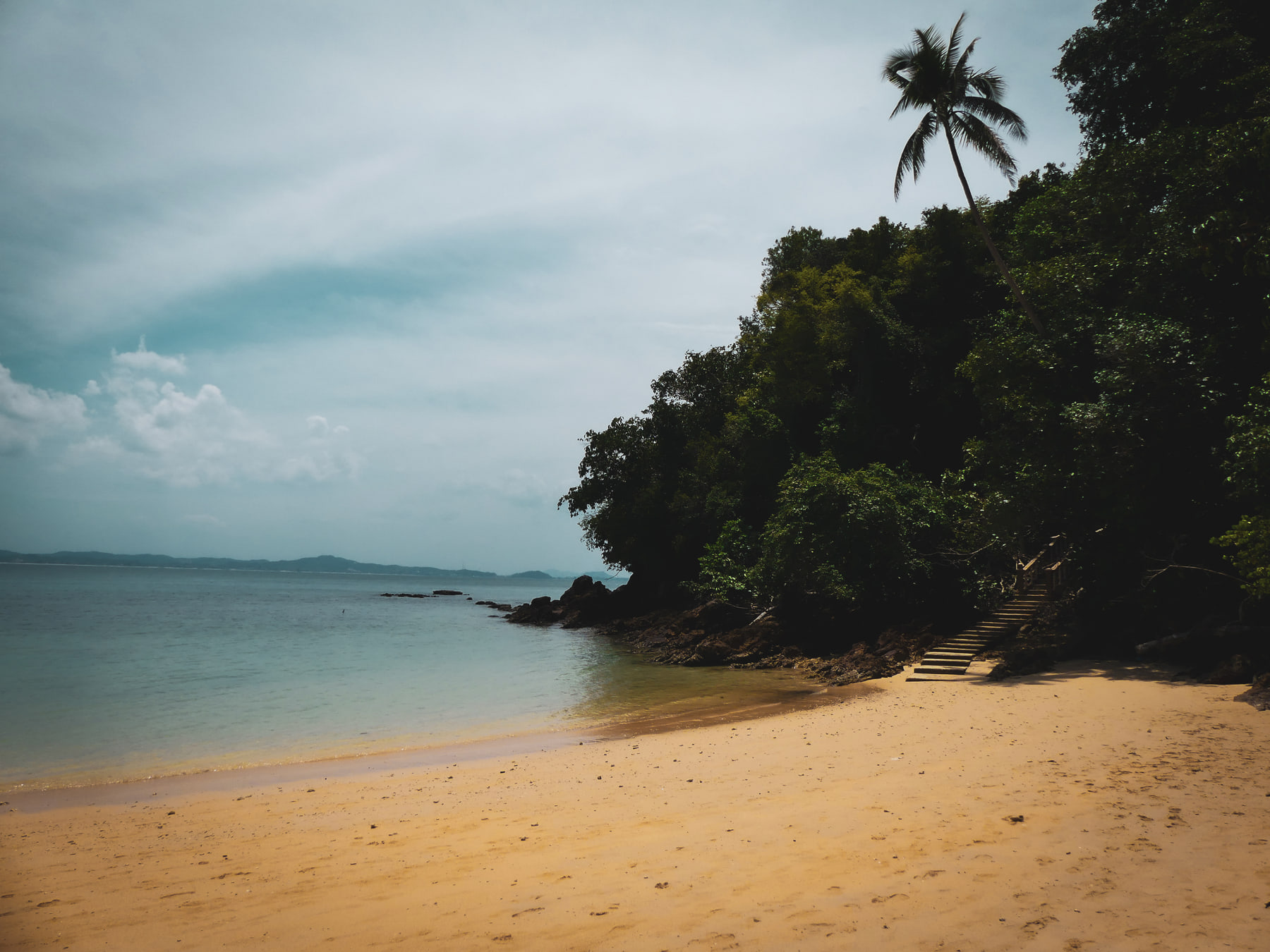
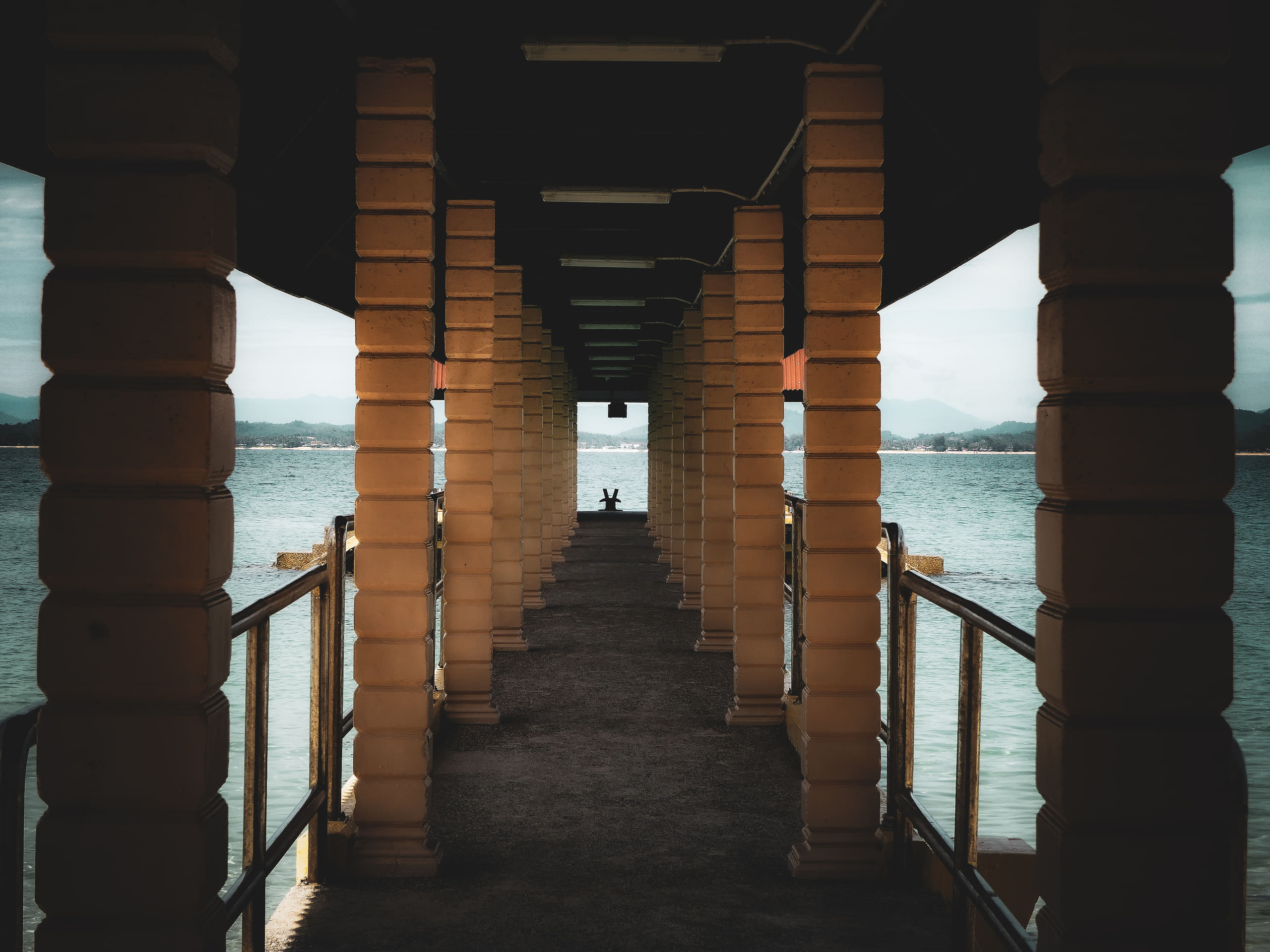
What makes it is mostly what it doesn’t have. Almost no infrastructure. Nothing built that takes over. Beach, sea, vegetation, a few places to stay, people. Not much more.
There are a few more buildings now than the first time. The feeling has stayed.
Quiet.Beautiful.Clean.Small.Uncomplicated.
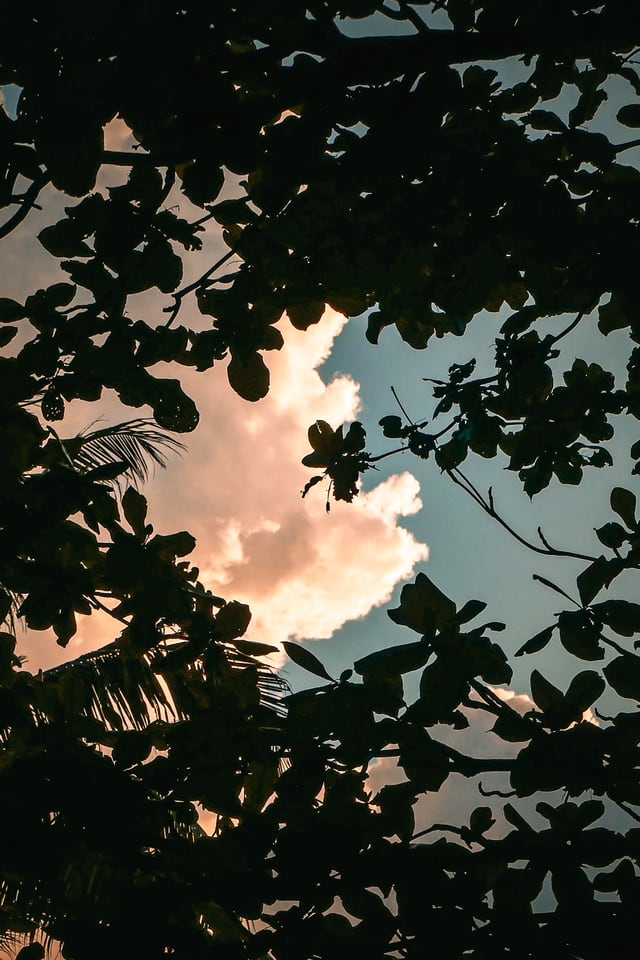
A day there goes roughly like this.
You wake up in the tent and hear the sea. Coffee. Swim. Hammock. Then you walk off and look at the island, and there are bays with nobody on them.
For food you go across to Marang. Market, supermarket, cheap. Then you cook something simple.
In the evening it is the fire, or the hammocks, or the kitchen area. At weekends people come over from Terengganu. They invite you to eat with them. Nobody asked them to.
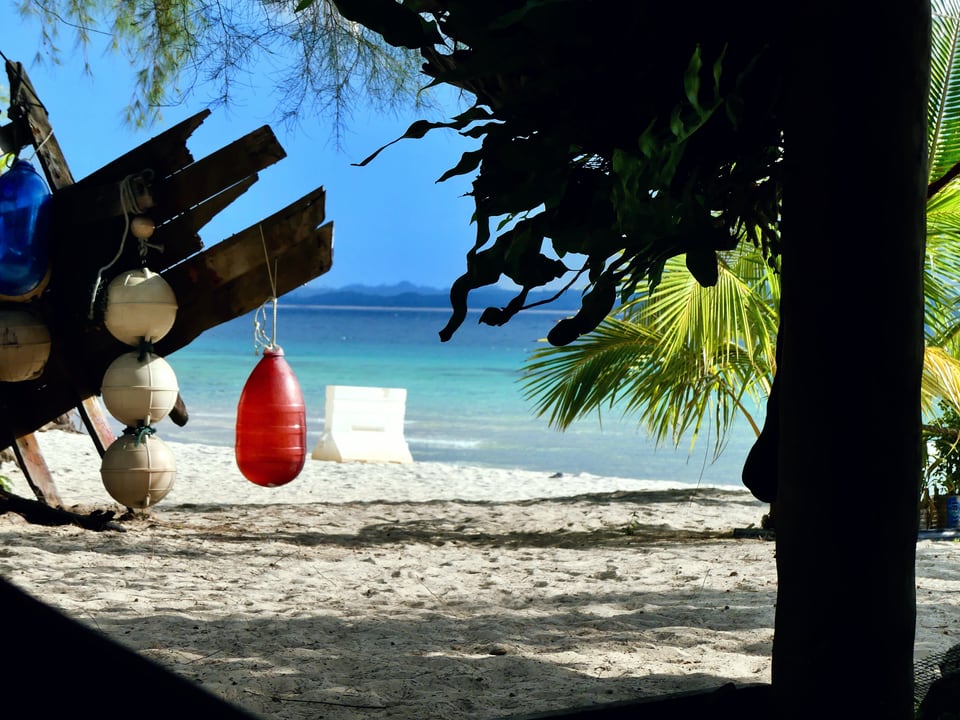
There are beach cleanups. There is a turtle sanctuary. You help around the camp, because it needs doing and you are there anyway.
And it rains. Properly. When a storm comes in, a relaxed group of campers turns very quickly into an efficient trench-digging operation, so the tents don’t flood.
That is basically it. And that is exactly why I keep going back.
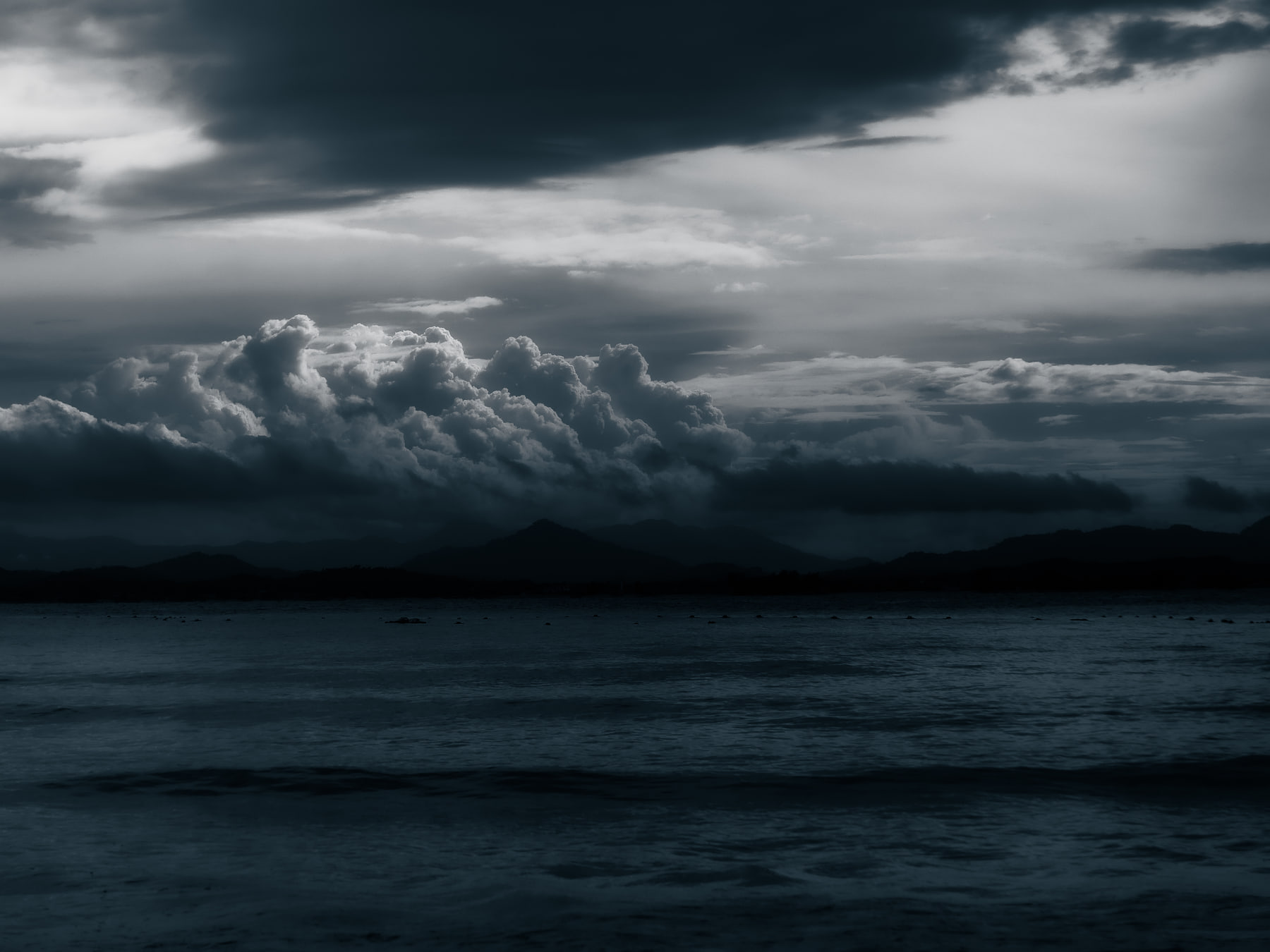
Kapas slows everything down. You arrive, and pretty soon you stop dividing the day up.
The reef looked good. Intact. The sea and the reef are a large part of why this island counts for me and not some other one.
And the people on Kapas are great. I don’t really need to say more than that.
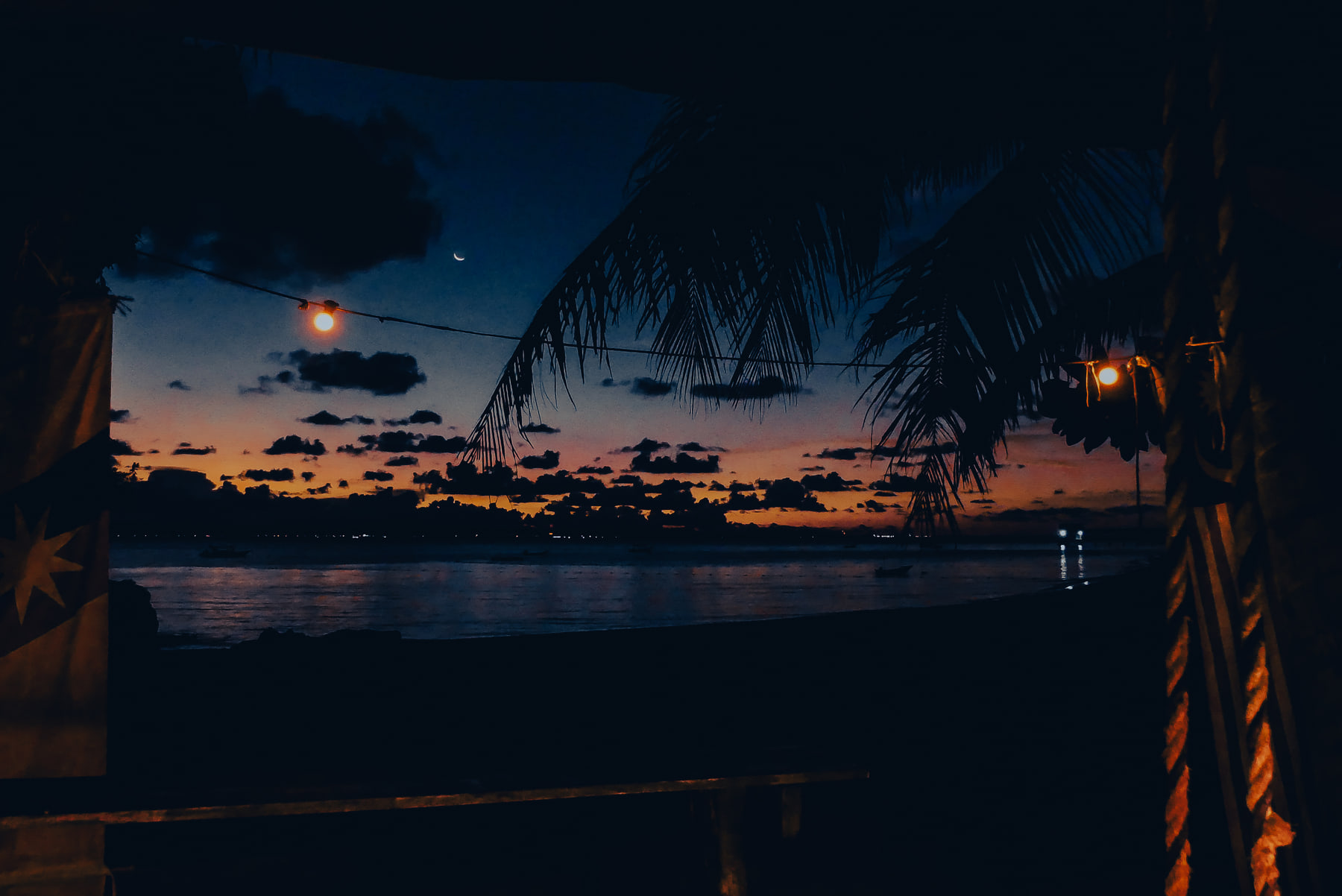
I have known this country since 2014, but with the camera I see things I have walked past a hundred times.
In the city it is concrete, density, people, weather. On Kapas it is the opposite. Space, water, light, a slower pace.
No plan, no concept. Just looking more carefully. That is the whole change.
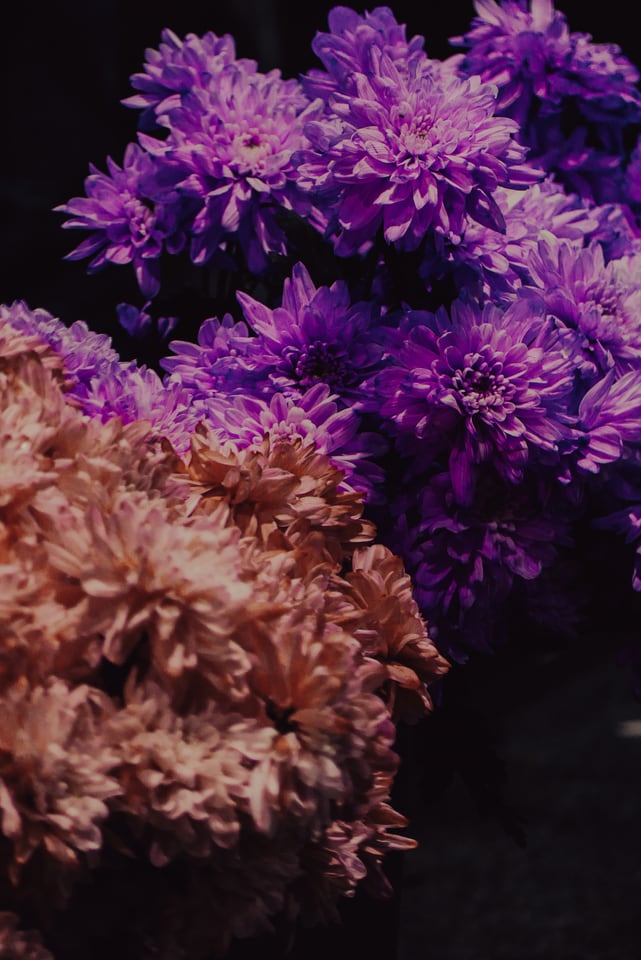
Malaysia isn’t a country I visited once. It is a starting point.
Islands, cities, highlands with tea, jungle, different religions, different communities — and from here the rest of Southeast Asia is right there.
That is why the journey begins here. And why it carries on from here.